The Ultimate Guide to Manu National Park from Cusco: Tours, Prices, and Wildlife in the Peruvian Amazon
Manu National Park is not your ordinary tourist destination; it is one of the largest, most pristine, and most biodiverse biosphere reserves on planet Earth. If you are planning a trip to Peru and find yourself in the historic city of Cusco, you have the unique opportunity to descend from the breathtaking peaks of the Andes straight into the heart of the Amazon rainforest in a matter of hours.
In this definitive guide, we break down absolutely everything you need to know to organize your expedition to Manu: from choosing between its famous zones and calculating your budget, to a detailed day-by-day itinerary and survival tips based on local geography.
Why is Manu National Park Unique in the World?
Established in 1973 and recognized as a UNESCO World Heritage Site, Manu encompasses nearly 2 million hectares of protected territory. What makes this place geographically extraordinary is its altitudinal gradient. The park begins in the high Andean punas at over 4,000 meters above sea level and drops vertically through mysterious cloud forests until it reaches the Amazon lowlands at just 300 meters of altitude.
This incredible variety of microclimates allows thousands of species that are rarely found together to coexist in one single place. We are talking about the legitimate home of the jaguar, the spectacled bear, the Brazilian tapir, 14 species of monkeys, and over 10% of all bird species on the planet. If you are looking for an authentic nature tourism experience and total isolation, Manu far surpasses any other Amazonian destination.
AMAZON PERU TRAVELLERS jungle trips peru cusco
How to Get to Manu National Park from Cusco?
One of Manu’s greatest advantages is its strategic connectivity with the Cusco region. Many travelers make the mistake of thinking that to visit the Peruvian jungle they must fly to Iquitos or Puerto Maldonado. However, overland and river access from Cusco to Manu offers one of the most beautiful scenic routes in South America.
The Overland and River Route (The Classic Way)
The trip begins early in the morning, departing from the city of Cusco in private 4×4 vehicles or tourist minivans.
Cusco to Paucartambo: You cross the beautiful Andean valleys and pass through the picturesque colonial town of Paucartambo, famous for its history and colorful festivals.
Acjanaco Pass: This is the official entry point to the park in the highlands (approx. 3,560 m / 11,680 ft). On clear days, the view from here shows how the Andes mountain range literally sinks into a sea of green clouds covering the Amazon.
Descent through the Cloud Forest: The vehicle winds down a dirt road through the Kosñipata Valley, where the landscape changes drastically from Andean grasslands to lush, orchid-laden vegetation.
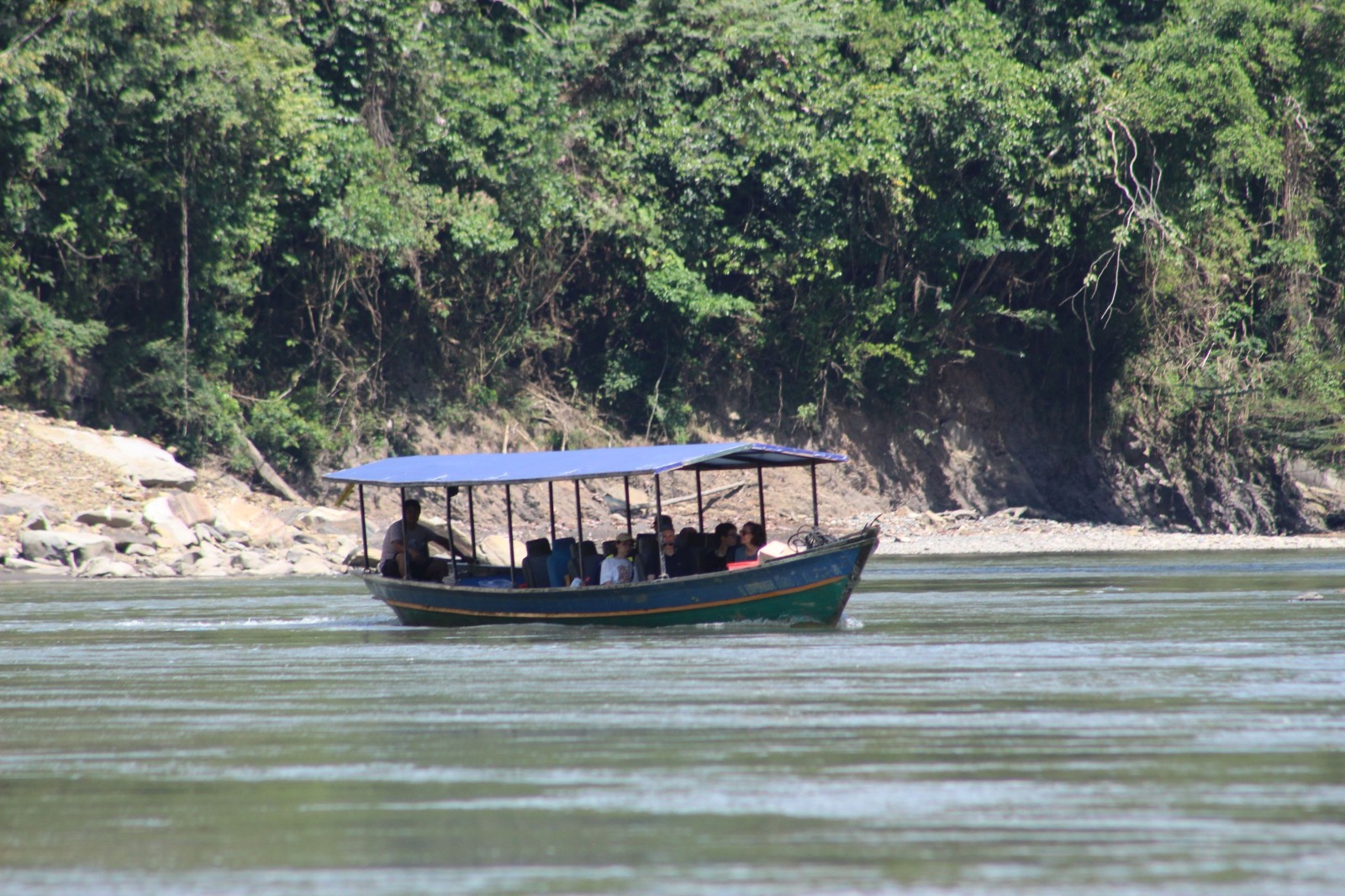
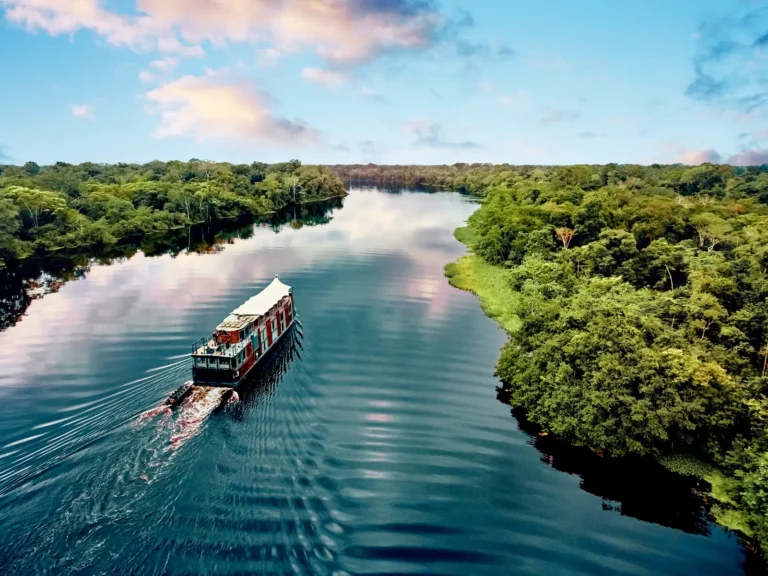
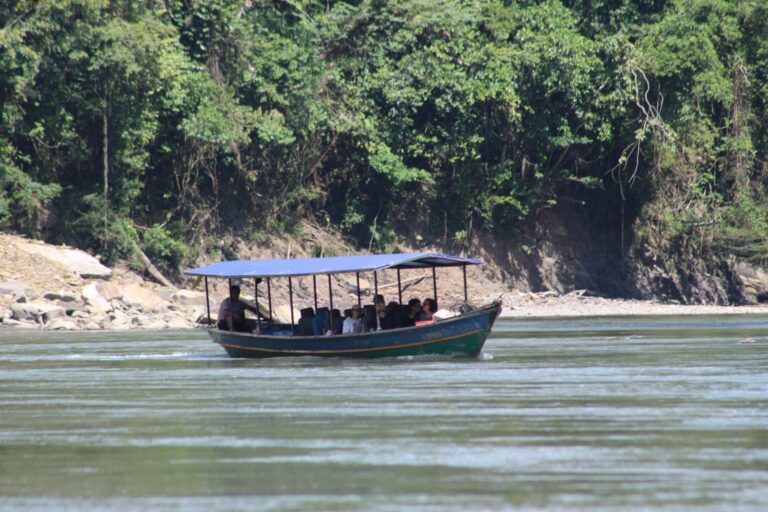
Atalaya Port: The final point of the overland stretch. This is where the road ends, and you board motorized wooden boats (locally called peque-peques or speedboats) to navigate the Alto Madre de Dios River toward the various jungle lodges.
Understanding the Core Zones of Manu National Park
To properly plan your trip and understand tour pricing, it is essential to know that Manu is divided into three main zones with different levels of restriction and conservation goals.
+-----------------------------------------------------------------+
|                  MANU PARK ZONE STRUCTURE                       |
+------------------------------------+----------------------------+
| Cultural Zone (Lower Manu)         | Accessible, affordable, no |
|                                    | strict permits required.   |
+------------------------------------+----------------------------+
| Reserved Zone (Heart of Manu)      | Regulated access, maximum  |
|                                    | wildlife viewing.          |
+------------------------------------+----------------------------+
| National Park Zone (Core Sanctuary)| Untouched. Strictly for    |
|                                    | authorized scientists.     |
+------------------------------------+----------------------------+
1. The Cultural Zone (Also known as the Buffer Zone)
This is the most accessible and inhabited area of Manu. It extends along the Alto Madre de Dios River and features local communities, farmers, and multiple eco-lodges.
Advantages: Tours here are much more affordable and do not require complex government permits. It is perfect for short trips (3 to 4 days) and offers excellent opportunities for night walks, bird watching, and river boat rides.
Who it is for: Budget travelers, families, or people with limited time in their Cusco itinerary.
2. The Reserved Zone (The Heart of Manu)
This zone is located in the lower basin of the Manu River. Human impact here is virtually non-existent, and the rainforest presents itself in its wildest state.
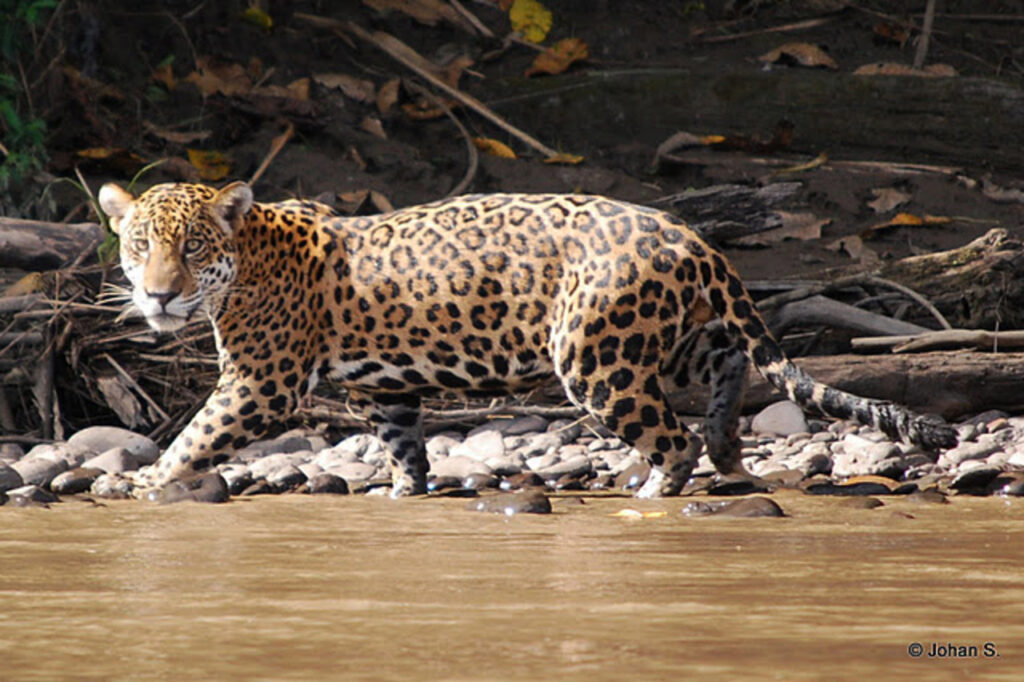
Advantages: This is arguably the best place in the world for deep wildlife expeditions. Here, it is common to spot giant river otters, black caimans up to 4 meters long, side-necked turtles, and, with some luck, the majestic jaguar sunbathing on riverbanks. It also houses the massive clay licks where hundreds of macaws gather to feed.
Restrictions: Access is strictly controlled by SERNANP (Peru’s National Protected Areas Service), and you can only enter with authorized travel agencies that pay special entrance fees. Tours require a minimum of 5 to 7 days.
3. The National Park Zone (The Core Area)
This is the absolute sanctuary. It comprises the largest expanse of territory and is dedicated exclusively to permanent conservation and authorized scientific research.
Restrictions: Tourism is completely prohibited here. This territory is inhabited by indigenous tribes living in voluntary isolation or initial contact (such as the Mashco Piro), whose rights and vital space are strictly protected by the Peruvian government.
AMAZON PERU TRAVELLERS 1
Prices and Budget: How Much Does a Manu Tour Cost?
The cost of an expedition to Manu varies significantly based on the zone you decide to visit, the duration of the trip, and the type of lodge you choose. Here is an estimated breakdown of real market prices:
Budget Tours to the Cultural Zone (3 to 4 Days): Range from $300 USD to $500 USD per person. These usually include shared transport from Cusco, full meals, bilingual guiding, and rustic lodging managed by local communities or Cusco-based operators.
Mid-Range Expeditions to the Reserved Zone (5 to 6 Days): Range from $700 USD to $1,200 USD per person. The price increase is due to the long distances traveled by boat (fuel in the remote jungle is expensive), government entry permits, and the logistics needed to safely enter deep wilderness areas.
Luxury or Specialized Birdwatching/Photography Tours (7+ Days): Can easily exceed $1,800 USD to $3,000 USD. These premium services offer lodges with upscale amenities (private bathrooms with hot water, continuous solar power), expert biologist guides, and high-end spotting scopes.
⚠️ Insider Travel Tip: Beware of unauthorized agencies around Cusco’s Plaza de Armas offering the “Reserved Zone” for under $400 USD. They will almost certainly take you only to the external Cultural Zone, leaving you spending more time in transit than actually seeing wildlife.
The Perfect 4-Day Itinerary: The Classic Manu Jungle Experience
For travelers looking to balance the ancient ruins of Machu Picchu with the high jungle, the 4-day, 3-night itinerary to the lower Manu basin is the most balanced and popular option. Here is how the adventure unfolds step-by-step:
Day 1: Descending the Andes to the Cloud Forest
The expedition kicks off early (around 5:00 AM) with a pickup from your hotel in Cusco. You leave Inca stone architecture behind as you ascend toward the Andean peaks. After passing Paucartambo and the Acjanaco viewpoint, you enter the park’s territory.
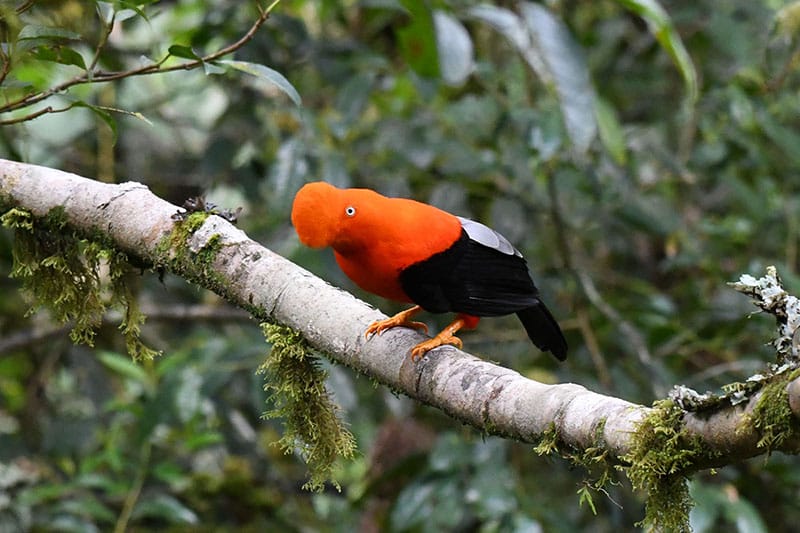
The highlight of the first day is a walking safari through the Cloud Forest. This perennially humid ecosystem is the exclusive home of the Cock-of-the-Rock (Rupicola peruvianus), Peru’s national bird. In the afternoon, you will visit observation platforms to witness the “lek”—a fascinating ritual where bright red-orange males dance and sing to impress the females. You will spend your first night in a charming lodge in the Kosñipata Valley, put to sleep by the sound of waterfalls and giant crickets.
Day 2: Navigating the Alto Madre de Dios River & Night Walk
After a tropical breakfast featuring fresh local fruits, transport takes you to Atalaya Port. This is where the adrenaline kicks in: you will put on your lifejacket and board a covered motorized boat.
Navigating the Alto Madre de Dios River offers your first glimpses of wild animals: white egrets fishing on the banks, king vultures soaring over the canopy, and spectacular rock walls blanketed in vines. You will arrive at your main lodge in time for lunch. After a short rest, you will take your first hike through primary forest trails looking for capuchin and squirrel monkeys.
When the sun sets, the jungle transforms. Equipped with a powerful headlamp, you will join a night walk. This is the time for predators and fascinating critters: tarantulas, neon-colored tree frogs, stick insects defying camouflage, and, with some luck, the glowing eyes of small wild cats or owls.
Day 3: Parrot Clay Licks, Monkeys, and Swamp Exploration
This day begins before dawn (5:30 AM). You will head by boat to a Parrot Clay Lick, an exposed clay cliff rich in essential minerals for the birds’ diet. Watching and hearing dozens of green parrots and small macaws noisily gather to feed is an unforgettable natural spectacle.
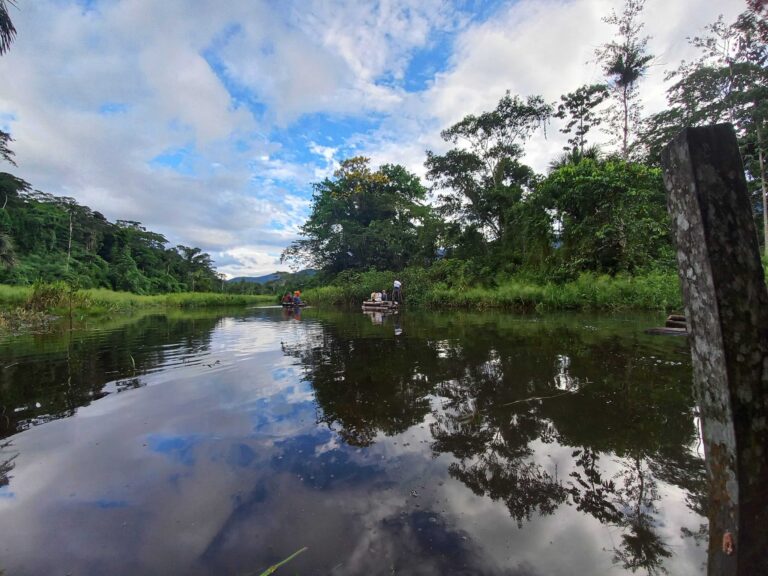
Later, you will explore deeper wetlands or hidden oxbow lakes aboard rustic wooden rafts. These calm waters are the favorite territory of black and white caimans, as well as the hoatzin or “shansho”—a strange, prehistoric-looking bird that eats leaves and can barely fly. You will spend the afternoon learning about medicinal plants (such as cat’s claw or ayahuasca) from your native guide.
Day 4: Journey Back to Cusco
The final day marks your return. You will board the boat to travel back up the river to Atalaya Port, where your private overland vehicle will be waiting. The drive back up through the cloud forest offers a final opportunity to snap spectacular photos of the Amazon valleys from the high Andes. You will arrive at your hotel in Cusco around 6:00 PM—perfectly timed for dinner and a long-overdue hot shower.
Iconic Wildlife You Can Spot in Manu
Wildlife viewing in Manu is not guaranteed like in a zoo; it requires patience, a good pair of binoculars, and the trained eye of a local tracker. However, because there is zero hunting pressure within the park, the animals exhibit highly natural and curious behaviors. These are the stars of the show:
1. Large Mammals
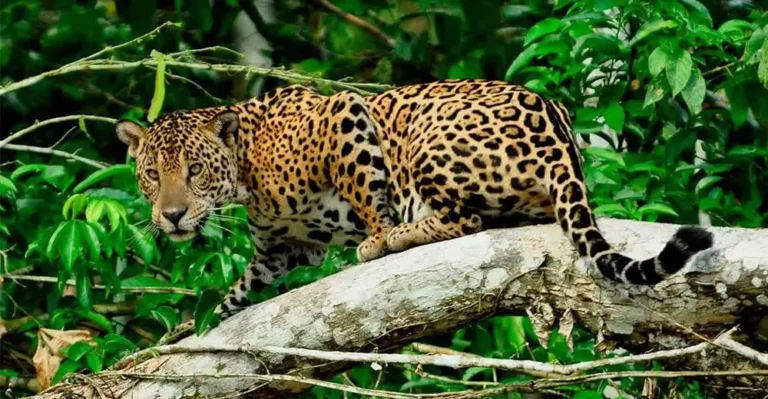
The Jaguar (Panthera onca): The undisputed king of the Amazon. Your chances of spotting one skyrocket if you visit the Reserved Zone between July and September, when river levels drop and jaguars come down to the sandy beaches to hunt capybaras or turtles.
The Brazilian Tapir (Tapirus terrestris): The largest terrestrial mammal in South America. They are mostly nocturnal and shy, meaning nighttime visits to mammal clay licks are your best bet to observe them.
The Giant River Otter (Pteronura brasiliensis): Reaching up to 1.8 meters (6 feet) long, they live in highly vocal and territorial family groups in the oxbow lakes of the Reserved Zone.
2. Amazing Primates
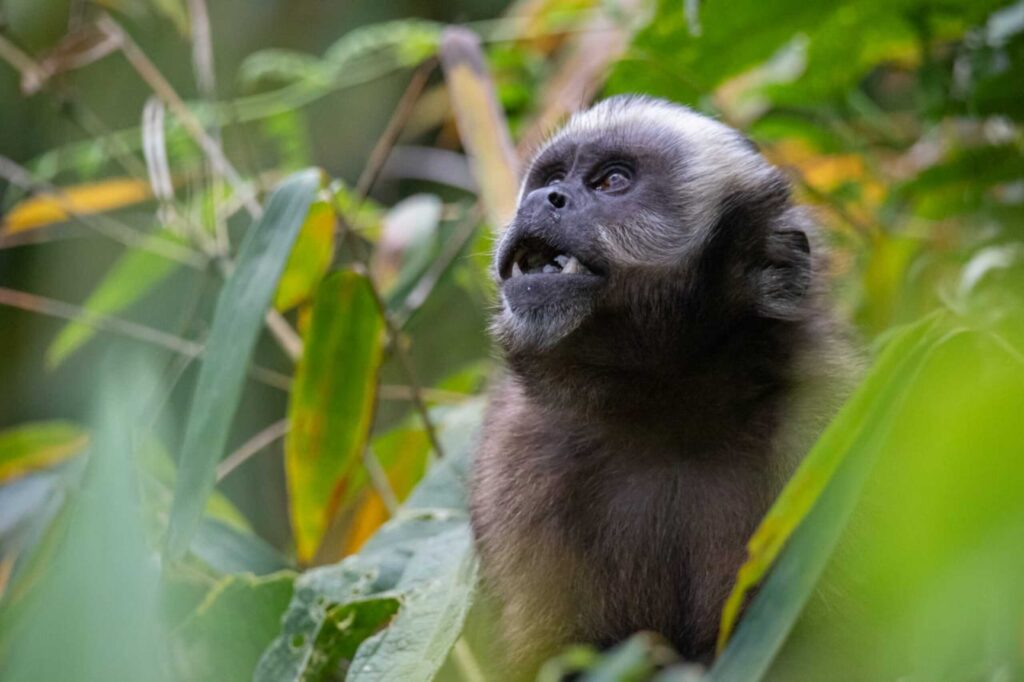
Manu boasts 14 species of monkeys swinging through the canopy. Among the most common to observe are:
The Spider Monkey (Maquisapa), recognizable by its incredibly long limbs and astonishing acrobatics.
The Howler Monkey (Coto), whose roaring morning calls can be heard miles away, sounding like a powerful storm wind.
The Squirrel Monkey, moving in massive troops of up to 50 individuals through the lower branches.
3. A Paradise for Birdwatchers
If you are a birding enthusiast, Manu is your personal Mecca. You can photograph everything from the majestic Harpy Eagle (the most powerful aerial predator on the continent) to endemic cloud forest hummingbirds and iconic Red-and-Green Macaws (Ara chloropterus) painting the skies at sunrise.
Essential Packing List for Manu: What to Bring in Your Backpack
The climate of the Peruvian Amazon is relentless: humidity regularly exceeds 90%, and sudden downpours happen even in the driest months. Bringing the right gear will mean the difference between the trip of a lifetime and an uncomfortable nightmare.
Technical Clothing
Long Trekking Pants: Leave your jeans behind; they take days to dry if they get wet. Choose lightweight, breathable synthetic materials (like nylon or polyester).
Long-Sleeve Shirts: Essential to protect you from insect bites (especially the tiny, annoying sandflies) and the blazing sun during river boat rides. Light or neutral colors (olive green, beige, gray) are best; avoid solid black and dark blue, as they actively attract mosquitoes.
Hiking Boots and Spare Sneakers: Jungle trails get muddy. Most high-quality lodges will lend you rubber boots (wellies), but you will need comfortable shoes to wear around the lodge facilities.
Rain Jacket or Poncho: No matter the season, the rainforest always has a rain shower waiting for you.
Electronics & Field Gear
High-Power Headlamp: Vital for night walks and for navigating your room if the lodge turns off its solar generators at night. Bring spare batteries or a portable USB power bank.
Power Bank: Many eco-lodges in Manu only run solar electricity for a few hours a day in common areas. Having your own power bank ensures your camera never dies mid-safari.
Binoculars: A non-negotiable requirement. Most wildlife (monkeys, birds, sloths) sits dozens of meters high in the canopy of ancient trees. A pair of 8×42 or 10×42 binoculars will completely upgrade your visual experience.
Health & Personal Protection
Insect Repellent with DEET: Apply generously and regularly over your clothes and exposed skin.
Biodegradable Sunscreen: To protect yourself during long hours on open boats where the sun reflects directly off the water.
Motion Sickness Medication: The mountain road from Cusco features hundreds of tight curves as it drops down the Andes. If you are prone to motion sickness, take a pill before departure.
When to Visit Manu: Dry Season vs. Rainy Season
While the tropical rainforest stays warm year-round, rainfall levels drastically alter travel logistics and the overall experience.
+-----------------------------------------------------------------+
|                    MANU TRAVEL SEASONS                          |
+------------------------------------+----------------------------+
| May to October (Dry Season)        | Ideal for hiking, low river|
|                                    | levels, more beach wildlife|
+------------------------------------+----------------------------+
| November to April (Rainy Season)   | High rivers, fast boat     |
|                                    | travel, vibrant greenery.  |
+------------------------------------+----------------------------+
May to October: The Dry Season (The Best Time)
This is widely considered the optimal window to visit Manu.
Advantages: Rainfall drops dramatically, trails are firmer and less muddy, and the heat is slightly more manageable. Furthermore, as river levels fall, wide white-sand beaches appear, where caimans and jaguars frequently come out to rest or hunt.
Disadvantages: Because this aligns with peak travel season in Cusco (and the winter solstice), you must book your tour slots well in advance.
November to April: The Rainy Season
During this period, the Amazon receives the bulk of its annual precipitation.
Advantages: The forest becomes incredibly vibrant, green, and alive. Rivers rise significantly, which speeds up boat travel times upstream. It is an excellent season to see plants in bloom and unique amphibians.
Disadvantages: The roads leading down from Cusco can suffer delays or closures due to landslides in the mountains. Some walking trails can flood completely, limiting access to certain areas of the park.
Cultural Aspects: Meeting Native Communities
Manu National Park protects more than just flora and fauna; it preserves the living cultural heritage of several Amazonian indigenous groups that have lived in harmony with this environment for millennia.
When choosing a responsible tour operator, your itinerary may include respectful visits to native communities like the Matsigenka or the Harakbut. These experiences allow you to:
Learn about ancestral hunting techniques using palm-wood bows and arrows.
Understand their deep spiritual cosmology, where every animal, river, and ancient tree holds a guardian spirit.
Directly support the local economy by buying authentic handicrafts made from jungle seeds and natural fibers dyed with tree bark.
These interactions are strictly regulated to prevent invasive tourism and safeguard the traditional lifestyles of the communities.
Frequently Asked Questions (FAQ)
Is the Yellow Fever vaccine mandatory for Manu?
While airline or transit authorities do not always request the certificate strictly, health organizations and tour operators strongly recommend it. You should get the vaccine at least 10 days before entering the low jungle for it to be fully effective. The best part is that a single dose now provides lifetime protection.
Is there cell service or internet in Manu?
In the vast majority of the deep Cultural Zone and 100% of the Reserved Zone, conventional mobile signal (Claro, Movistar, Entel) is completely non-existent. A few high-end lodges have limited satellite internet (like Starlink) for emergencies or administrative use. Prepare for a true digital detox!
Can I travel to Manu on my own without an agency?
Practically no. Due to strict SERNANP conservation rules, the need for specialized river boats, the total lack of public transport inside the reserve, and the required permits, you must hire a licensed agency. Trying to do it alone will only get you as far as the edge towns in the Kosñipata Valley, missing the actual deep jungle and pristine wildlife.
What is the difference between Manu and Puerto Maldonado?
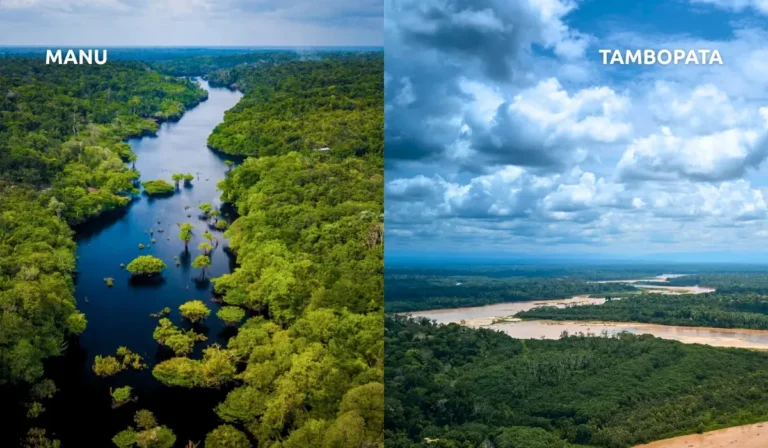
This is the number one question asked by travelers in Cusco. Puerto Maldonado (Tambopata) offers much quicker access (a 45-minute flight from Cusco or an overnight bus) and lodges with more luxurious amenities at lower prices. However, due to historic human impact and gold mining in external areas, wildlife is more elusive. Manu requires a much longer and more rustic overland and river journey, but it rewards you with the most untouched, pristine, and wild nature found anywhere in the Amazon basin.
Conclusion: Is the Journey Worth It?
If your budget allows and you possess an adventurous spirit willing to trade city comforts for the raw, pulsing sounds of the virgin rainforest, visiting Manu National Park from Cusco is an unmatched experience. It is the pinnacle of ecotourism in Peru and the ultimate counterpart to balance out your journey after exploring the high-altitude stone temples of Cusco and the Sacred Valley.
One of the most common questions international travelers ask when planning an adventure in the Peruvian Amazon is surprisingly simple: What is the best time to visit the Amazon Rainforest: high-water season or low-water season? The answer, however, is not as straightforward as choosing one season and forgetting about the other. The Amazon is constantly…
Manu vs. Tambopata: Which is the Best Amazon Jungle Tour from Cusco? If you are planning a trip to the land of the Incas, chances are you want to take advantage of your geographical proximity to explore the mystical Amazon rainforest. When browsing tour agencies in Cusco, you will notice two prominent names constantly popping…
For international travelers searching for the ultimate wildlife experience, few animals inspire as much fascination as the jaguar (Panthera onca). Powerful, elusive, and remarkably beautiful, the jaguar is widely regarded as one of the most iconic predators of the Americas. Consequently, seeing one in the wild has become the ultimate goal for many adventure travelers, wildlife enthusiasts, and nature photographers. Unlike animals that can be observed relatively easily in zoos or wildlife parks, jaguars are notoriously difficult…
Amazon Rainforest Packing List: What to Wear & Bring to the Peru Jungle Packing for the Amazon rainforest is completely different from packing for a trek to Machu Picchu or a city tour in Cusco. The jungle is a beautiful but unforgiving environment. With humidity levels regularly reaching 90%, sudden tropical downpours, and a thriving…
The Ultimate Guide to the Peruvian Amazon: Why May to October is the Best Time to Visit The definitive best time to visit the Peruvian Amazon (including Iquitos, Puerto Maldonado, and Manu National Park) is during the low-water “dry” season from May to October. This period offers optimized wildlife spotting, lower mosquito density, accessible hiking…
For international travelers planning an Amazon adventure in Peru, one question appears again and again: Should you visit Tambopata National Reserve or Manu National Park? Both destinations offer extraordinary rainforest experiences. Both are home to jaguars, giant river otters, macaws, monkeys, caimans, and hundreds of bird species. Moreover, both provide opportunities to explore some of the…