Manu vs. Tambopata: Which is the Best Amazon Jungle Tour from Cusco?
Manu vs. Tambopata: Which is the Best Amazon Jungle Tour from Cusco?
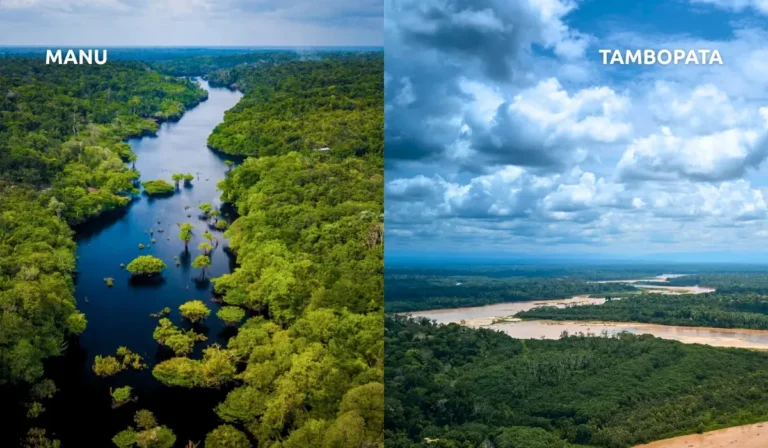
If you are planning a trip to the land of the Incas, chances are you want to take advantage of your geographical proximity to explore the mystical Amazon rainforest. When browsing tour agencies in Cusco, you will notice two prominent names constantly popping up: Manu National Park and the Tambopata National Reserve (Puerto Maldonado).
While both destinations safeguard massive expanses of tropical forest and boast mind-boggling biodiversity, the travel experience in each is vastly different. Choosing the wrong one can turn your dream vacation into a logistical headache or a financial disappointment.
In this ultimate comparative guide, we analyze accessibility, costs, time requirements, and wildlife viewing to help you decide which jungle is the perfect fit for your travel style.
Quick Summary: Which One to Choose If You are Short on Time or Budget?
If you want to skip the long read, here is the golden rule used by travel experts in Cusco:
- Choose Tambopata if: You have fewer than 5 days, prefer comfort (lodges with pools or Wi-Fi), are traveling with young children, have a moderate budget, or prefer a quick flight over long hours on a winding mountain road.
- Choose Manu if: You are a hardcore adventure traveler, have 5 or more days available, your absolute priority is seeing nature in its most pristine and untouched state, and you do not mind sacrificing modern amenities for total isolation.
1. Accessibility and Logistics: How Do You Get There from Cusco?
This is the most drastic difference between both destinations and the deciding factor for 80% of tourists.
How to Get to Tambopata (Puerto Maldonado)
Tambopata is incredibly easy to reach from Cusco. The standard option is to take a direct commercial flight of just 45 minutes from Cusco Airport (CUZ) to the city of Puerto Maldonado (PEM).
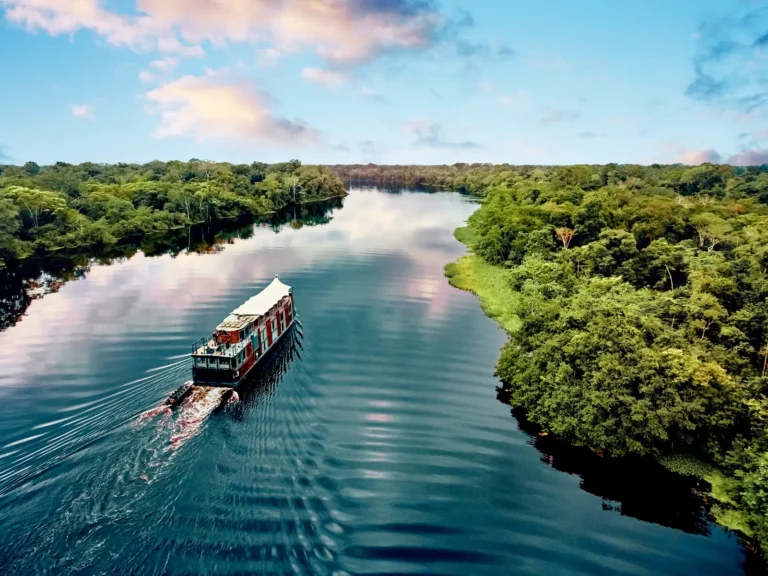
Once you land, your lodge staff picks you up, transfers you to the river port in a minivan (15 minutes), and after a beautiful 30-to-45-minute boat ride down the Madre de Dios River, you are checked into your cabin in the middle of the jungle. There is also an economic overnight bus option (8 to 10 hours) via the Interoceanic Highway.
How to Get to Manu National Park
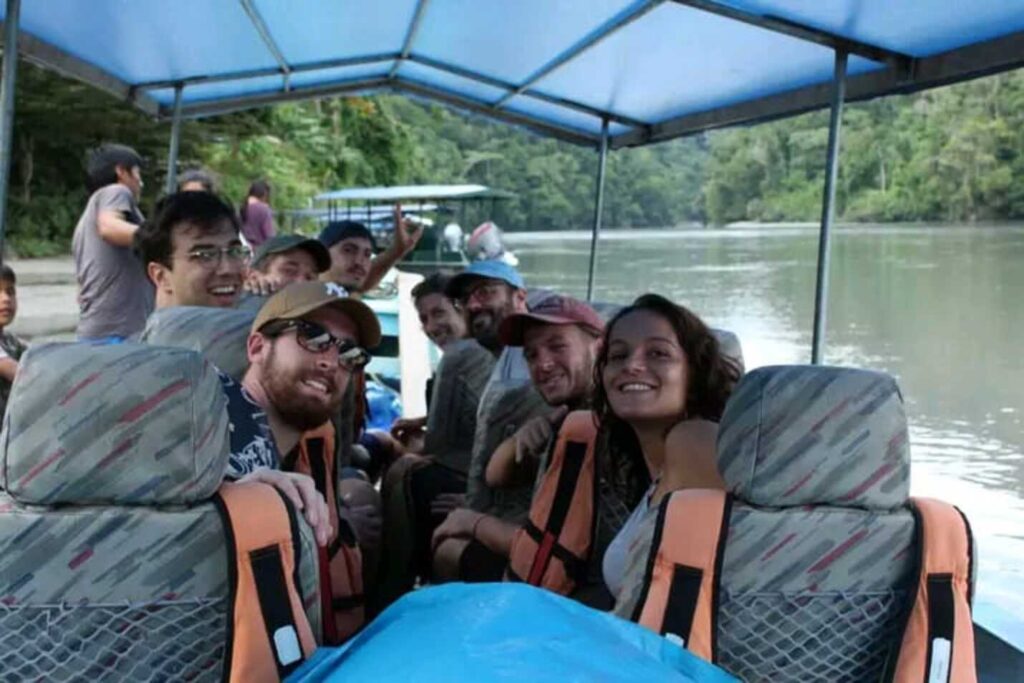
Manu is a true expedition. There are no direct commercial flights to the reserve. To get there, you must embark on an overland journey that starts by crossing the Andes mountain range in a minivan, descending through the Cloud Forest for a whole day until you reach the Kosñipata Valley.
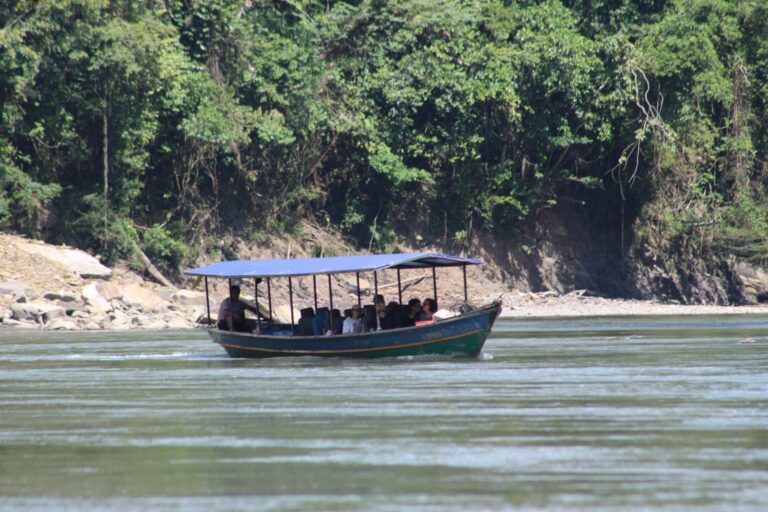
The next day, you must board a motorized wooden boat and navigate downstream for 4 to 8 hours (depending on whether you are heading to the Cultural Zone or the deep Reserved Zone). It is a long, physically demanding journey, though incredibly beautiful due to its shifting Andean-Amazonian landscapes.
2. Price and Comfort Comparison
The level of tourism infrastructure dictates the pricing and style of accommodation in both regions.
+-----------------------------------------------------------------+
|               MANU VS TAMBOPATA: COMPARISON MATRIX              |
+----------------------+-------------------+----------------------+
| Feature              | Manu              | Tambopata            |
+----------------------+-------------------+----------------------+
| Minimum Time Needed  | 4 to 7 days       | 2 to 4 days          |
+----------------------+-------------------+----------------------+
| Main Transport       | Overland + Boat   | Short Flight + Boat  |
+----------------------+-------------------+----------------------+
| Lodge Style          | Rustic / Eco      | Budget to Luxury     |
+----------------------+-------------------+----------------------+
| Average Cost         | Mid - High        | Budget - Premium     |
+----------------------+-------------------+----------------------+
Comfort in Tambopata
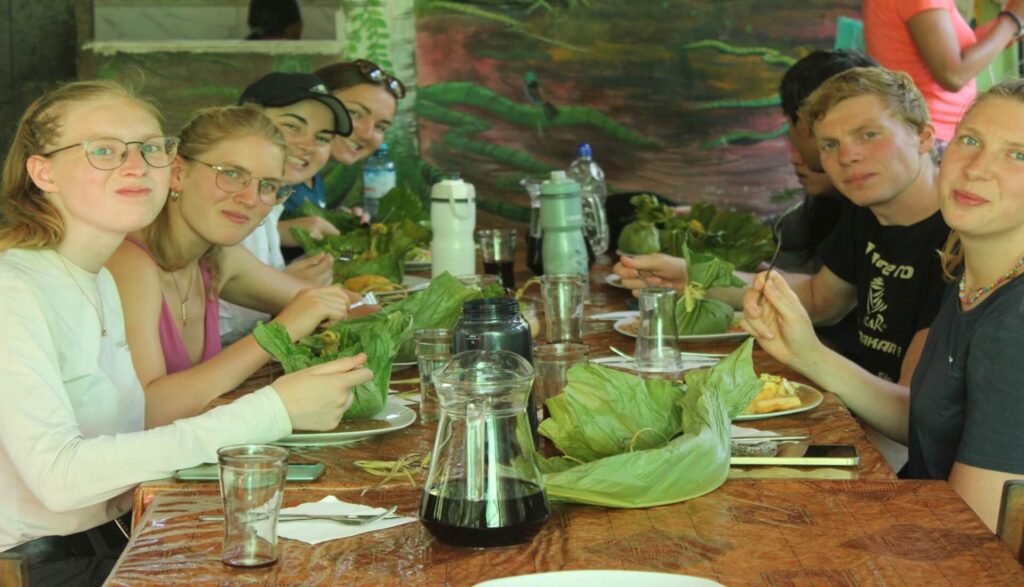
The region surrounding the Tambopata Reserve features a highly mature hotel industry. You will find everything from budget backpacker hostels to ultra-luxury eco-lodges (such as Inkaterra or Posada Amazonas) offering open-air screened bungalows, king-size beds, fine dining, spa massages, 24/7 electricity, and even satellite internet connections. Due to high competition, you can find excellent 3-day all-inclusive packages starting around $250 – $400 USD.
Comfort in Manu
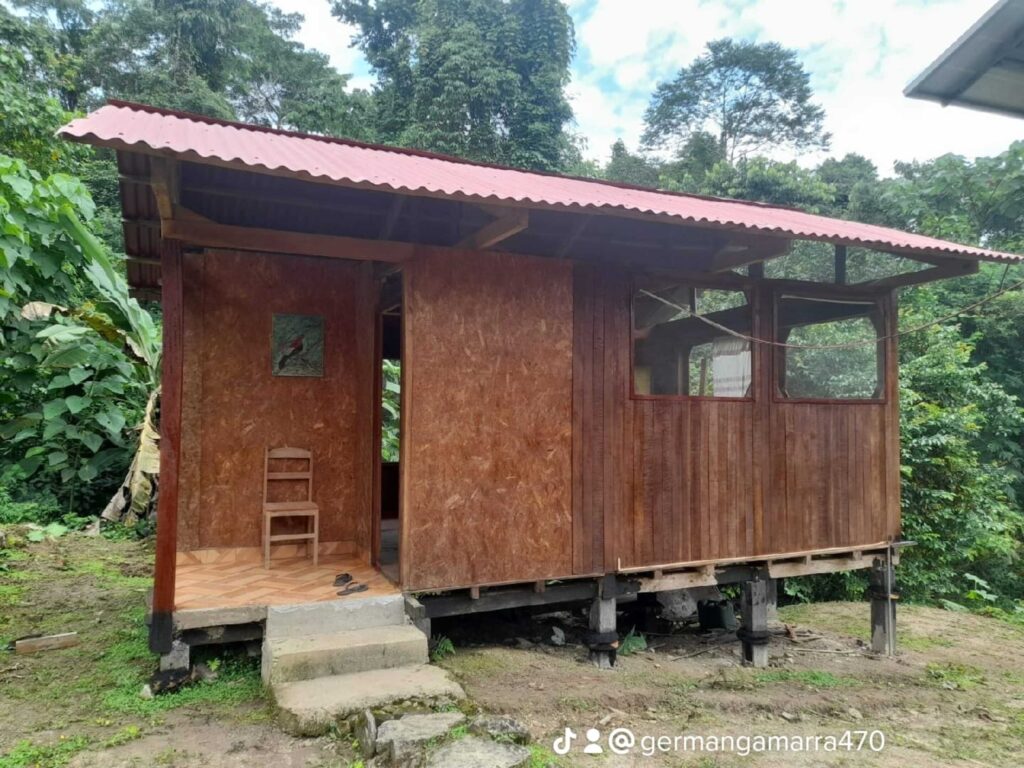
In Manu, the philosophy centers on low-impact ecotourism and strict conservation. Lodges tend to be much more rustic and built exclusively with local materials. Many do not offer hot water or round-the-clock electricity (relying on candles or dim solar lights at night). Because of the complex logistics required to transport food and fuel deep into the jungle, a high-quality tour with an equivalent number of days is usually more expensive in Manu than in Tambopata.
3. Wildlife Viewing: Where Can You See More Animals?
Both places break world records for biodiversity, but your chances of spotting specific species vary due to the historical human impact on each area.
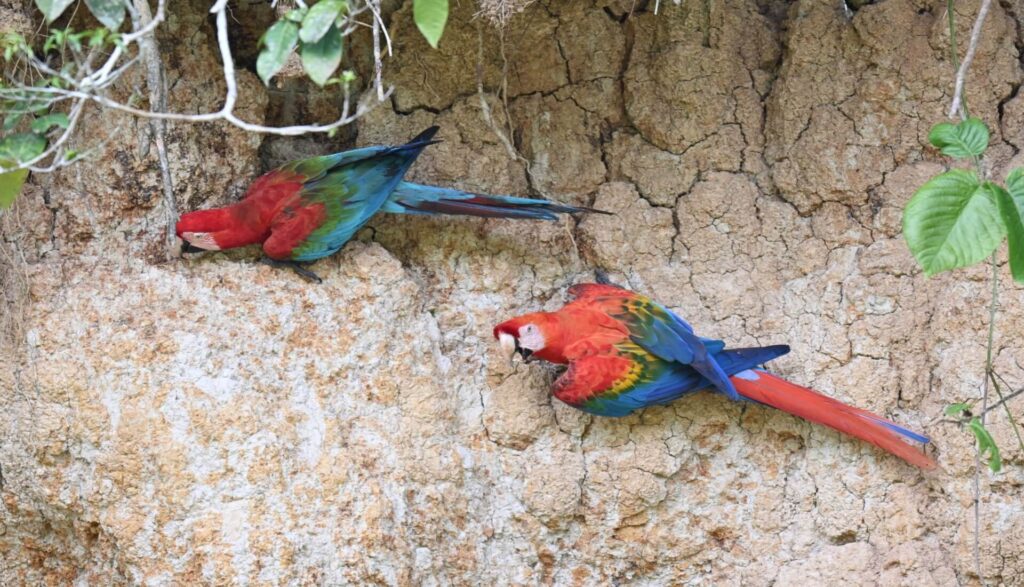
- In Tambopata: You will see an enormous variety of birds, giant caimans at the famous Sandoval Lake, and enjoy access to some of the largest macaw clay licks in the world (like Chuncho or Colorado). However, because it is a busy area with higher boat traffic and tourism, large mammals like the jaguar are exceptionally rare to spot.
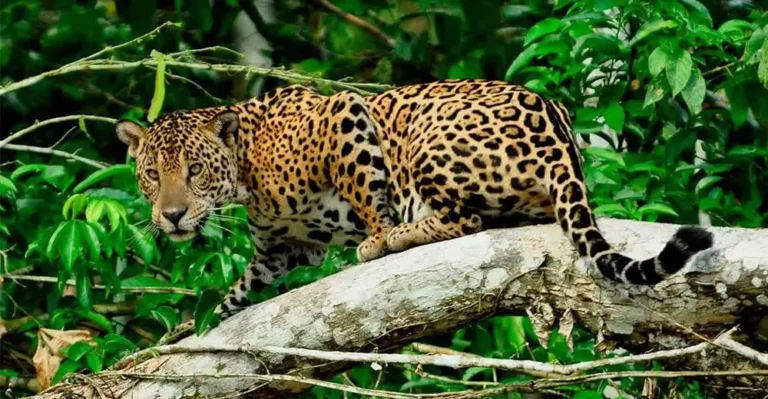
- In Manu (Reserved Zone): Because hunting has been strictly banned for decades and tourist numbers are heavily capped by the government, animals show little fear of humans. It is arguably the best place in the world to see stable families of Giant River Otters, and your chances of crossing paths with a Jaguar sunbathing on the riverbanks between July and September are considerably higher here than anywhere else in Peru.
4. Star Attractions of Each Destination
Best of Tambopata:
- Sandoval Lake: A paradise-like oxbow lake inside the reserve where giant river otters, black caimans, and thousands of macaws nest in the surrounding palm trees.
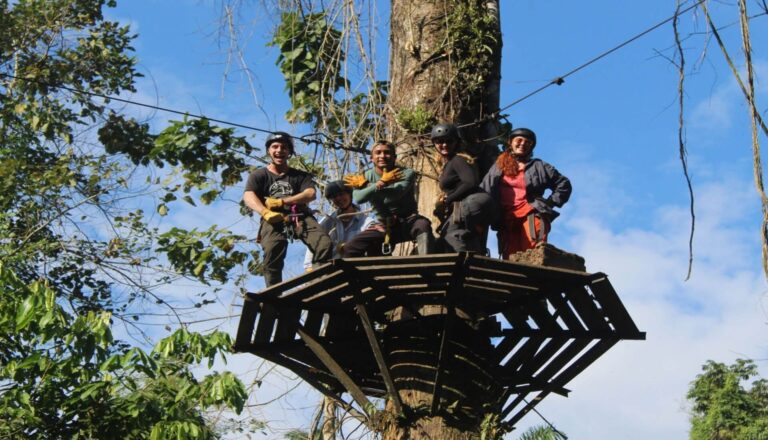
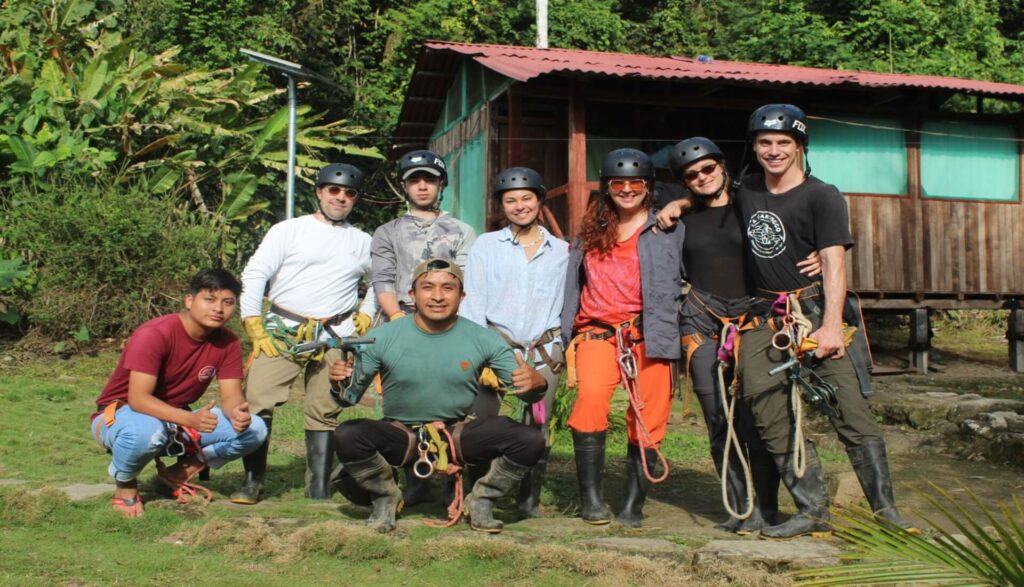
- Canopy Walkways: Walking across suspension bridges hanging over 30 meters (100 feet) high in the treetops to view the rainforest from a bird’s-eye perspective.
Best of Manu:
- The Andean-Amazonian Gradient: The journey itself is an attraction. Watching the landscape transform from the cold peaks of the Andes into the dense Cloud Forest (home to the Cock-of-the-Rock) and then down to the low jungle is a living geography lesson.
- Isolation and Living Culture: The rare opportunity to travel so deep into the wilderness that you coexist with ancient native communities and absolute protection zones where uncontacted tribes roam.
Conclusion: Which One Should You Book from Cusco?
- If your trip to Peru is focused on history, you are hiking the Inca Trail or visiting Machu Picchu, and you only have 3 days left at the end of your itinerary, fly to Tambopata. You will maximize your time and enjoy a spectacular Amazon experience without physical exhaustion.
- If you are a passionate biologist, a wildlife photographer, have a full week available, and want to experience the Amazon exactly as it was before the arrival of modern civilization, do not hesitate: Manu is your destination.